Augustine Locksmith Pro Service Team
Local locksmith team
May 14, 2026 11 min read
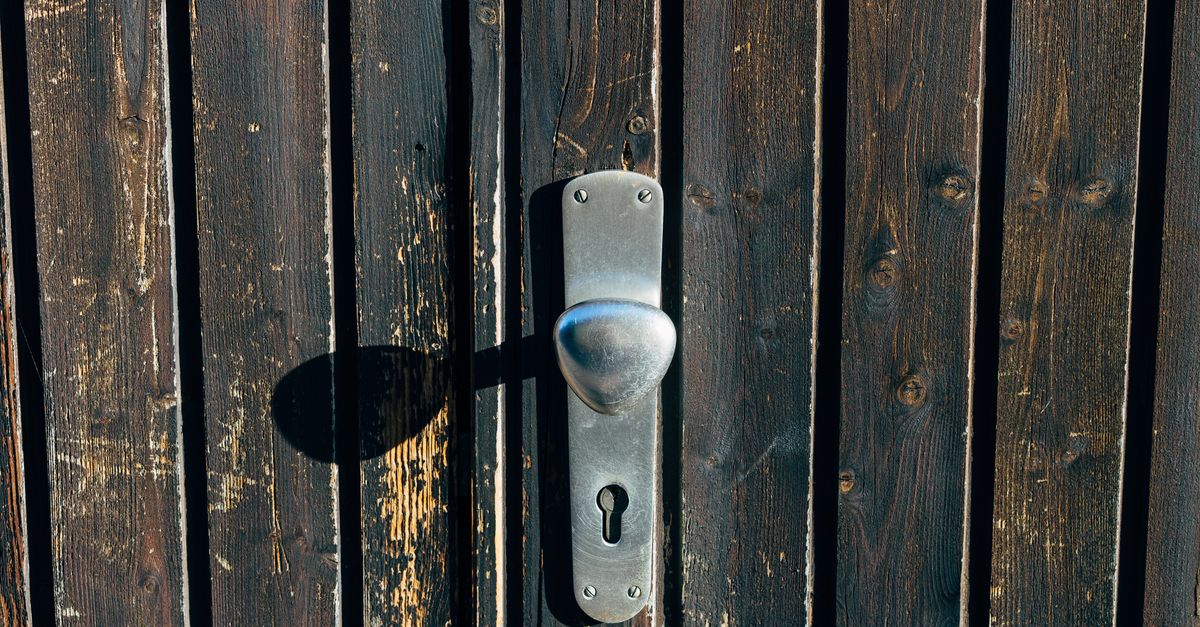
Your front door is the first line of defense for your St. Augustine home — and if it's fitted with a mortise lock, you're relying on one of the most robust locking mechanisms ever engineered. Mortise locks have secured doors in historic districts like St. George Street for well over a century, and for good reason: when they're working correctly, they're extraordinarily tough to defeat. But when they start to fail, they can leave you standing on the wrong side of your own door with very little warning.
The trouble is that most homeowners don't recognize the early distress signals until the lock seizes completely. A sticky knob here, a loose handle there — these aren't quirks you should live with. They're a lock sending you a distress signal. This guide walks you through five real warning signs that your mortise lock set is heading toward failure, what's likely causing each one, and when it's time to call a professional locksmith before you end up locked out.
## What Is a Mortise Lock — and Why Does Failure Hit Hard?
A mortise lock is a lock body that sits inside a precisely cut pocket (the 'mortise') carved into the edge of a door. Unlike a standard cylindrical knob lock that simply bores a hole through the door, a mortise lock set houses the latch, deadbolt, and internal cam mechanism all in one integrated metal cartridge. This design is common on older St. Augustine craftsman homes, Spanish Colonial-style properties near the Castillo de San Marcos, and higher-end exterior doors — including premium hardware lines like Baldwin mortise lock sets and Corbin Russwin mortise lock systems found on commercial and institutional buildings throughout St. Johns County.
Because so many components live inside that single housing — the cylinder, the cam, the latch bolt, the deadbolt tail piece, and multiple springs — when one part degrades, the stress transfers to everything around it. That's why mortise lock failure tends to feel sudden even though it's been building for months. Catching it early means the difference between a scheduled service call and a 2 a.m. emergency lockout.
## Sign #1: The Knob or Handle Is Stiff, Sticky, or Requires Extra Force
If you're pressing down on the lever or turning the knob harder than you used to, that friction isn't normal wear — it's a symptom. Inside a mortise lock, a small cam rotates when you operate the handle, retracting the spring latch. When the cam is worn, when internal springs have weakened, or when the mechanism has collected years of salt-air grime (very common in coastal St. Augustine), that rotational movement becomes sluggish and inconsistent.
Left alone, a stiff handle eventually stops retracting the latch entirely. At that point you're locked out without the deadbolt ever being engaged. The fix is usually a combination of professional cleaning, lubrication with a dry graphite or PTFE-based product (never WD-40 inside a lock mechanism — it attracts debris), and in some cases replacing the mortise lock cylinder or the internal cam assembly. A trained locksmith can diagnose which component is the actual culprit without dismantling your door unnecessarily.
## Sign #2: The Deadbolt Doesn't Throw Fully — or Grinds When It Does
Turn your thumb-turn or key and watch the deadbolt. It should extend smoothly and fully in one clean motion, seating completely into the strike plate. If it stops short, stutters, or makes a grinding or scraping noise, your mortise lock is telling you that something inside the bolt mechanism is misaligned or worn. Common causes include a sagging door that has shifted the lock body out of alignment with the strike plate, a worn tail piece connecting the cylinder to the bolt cam, or internal corrosion from humidity — something Florida's coastal climate accelerates faster than most homeowners expect.
A deadbolt that doesn't fully extend is a security vulnerability, not just a mechanical inconvenience. A bolt seated only halfway into a strike plate can be defeated with surprisingly little force. If your lock is showing this behavior, don't wait for it to resolve itself. Call Augustine Locksmith Pro at (904) 585-2997 — we're available around the clock and can evaluate whether the issue is the lock itself, the door frame, or both.
## Sign #3: The Key Turns Harder Than It Used To — or Feels Loose and Sloppy
Two opposite symptoms, one shared cause: the mortise lock cylinder. When a cylinder is worn, the key pins inside the plug don't align cleanly with the shear line, which means you'll feel extra resistance when turning your key. On the other end of the spectrum, a cylinder that has been forced (from a previous break-in attempt or repeated rough handling) may turn too freely, with that unsettling 'spinning' feeling that means the cam is no longer engaging properly.
Either extreme puts you at risk. A key that's consistently hard to turn will eventually break inside the lock — and a broken key extraction is an avoidable service call that tends to happen at the worst possible time. If your key behavior has changed noticeably, have the mortise lock cylinder inspected. In many cases the cylinder can be rekeyed or replaced without swapping the entire lock set, which is a faster and more economical path. Our team confirms the exact scope and price before any work begins, so there are no surprises.
## Sign #4: The Handle or Escutcheon Plate Is Loose or Wobbles
A mortise lock set is mounted using a series of through-bolts and set screws that pass through the escutcheon plates (the decorative trim pieces) on both sides of the door and anchor into the lock body. When these fasteners loosen — through daily use, vibration, or wood movement caused by Florida's humidity cycles — the entire trim assembly starts to wobble. This isn't just cosmetic. A loose escutcheon means the spindle connecting both handles is misaligned, which puts uneven torque on the cam and accelerates internal wear.
The straightforward response is to tighten the set screws and through-bolts — but if the underlying wood is stripped or the lock body has shifted in the mortise cavity, surface tightening won't hold. A qualified locksmith will check whether the lock body itself needs repositioning or whether the door has swollen or warped enough to require adjustment. This is especially relevant for exterior door mortise lock sets in older St. Augustine homes where the original wood frames have seen decades of subtropical weather.
## Sign #5: You Can See Rust, Corrosion, or the Lock Has Been 'Acting Up' Seasonally
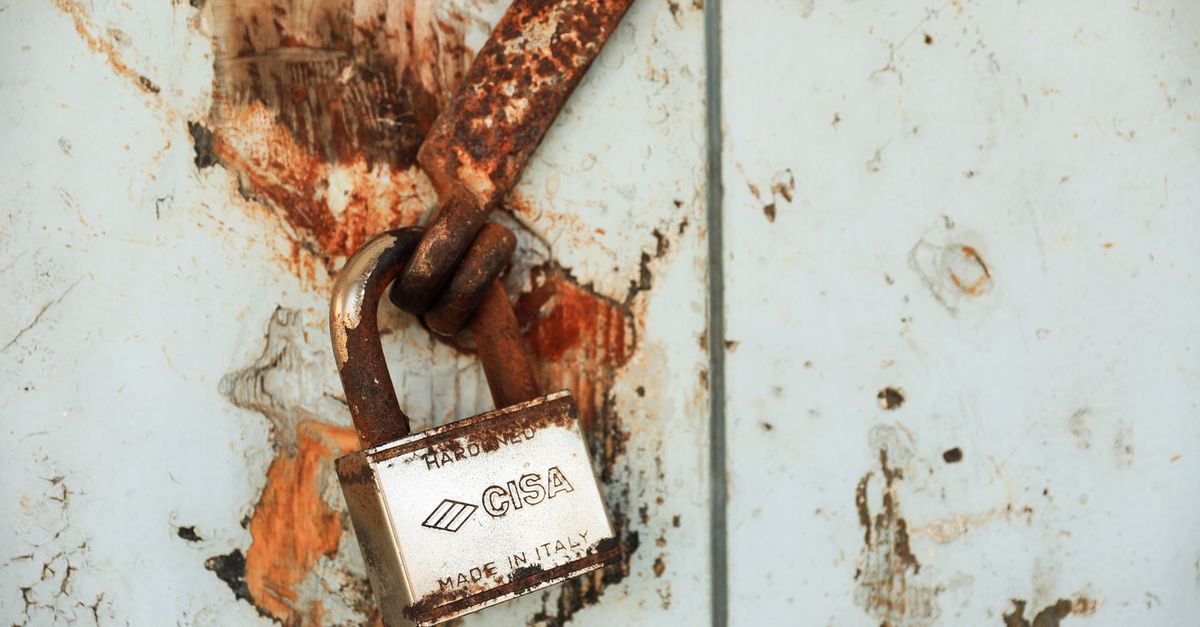
St. Augustine sits on the Atlantic coast, and salt air is genuinely corrosive to metal hardware. If you've noticed reddish-brown discoloration around the face plate, keyhole, or bolt housing, oxidation has already begun working its way into the mechanism. Early surface rust on external parts is manageable with cleaning and protective treatment. Internal corrosion — which you often can't see until the lock is opened — is another matter entirely, and it's frequently the hidden cause behind all four symptoms described above.
Seasonal behavior is a related red flag. If your lock seizes in the summer humidity and loosens up when it's drier, the internal components are expanding and contracting unevenly, which means tolerances are already compromised. Smart mortise lock systems with electronic components are even more sensitive to moisture intrusion, so if you've upgraded to a connected lock and are noticing erratic behavior, don't assume it's a battery or app issue — have the mechanical core inspected as well. When any of these signs appear, the right move is a professional assessment before the lock makes the decision for you. Our mobile team serves the entire St. Augustine area — from Vilano Beach to Ponte Vedra — and we're ready when you are. Call (904) 585-2997 any time, day or night.
## Augustine Locksmith Pro: Mortise Lock Services and More
Whether you need a mortise lock inspected, repaired, or fully replaced on a residential exterior door or a commercial property, our experienced mobile team carries the tools and parts to handle it on-site. We work on a wide range of hardware, including Baldwin, Corbin Russwin, Schlage, and other major brands. Here's a look at the full scope of services we provide throughout St. Johns County:
Residential services: mortise lock repair, mortise lock cylinder rekeying, mortise lock set installation on exterior doors, door knob lock replacement, deadbolt installation, high-security lock upgrades, smart lock installation and troubleshooting, home lockout assistance, rekey after move-in or after lost keys, master key system setup, sliding door lock repair, window lock installation, garage side-door lock replacement, mailbox lock replacement, broken key extraction, and safe opening. Automotive services: car lockout assistance, key-for-your-car cutting and programming, transponder key replacement, key fob programming, ignition cylinder repair, and high-security automotive key duplication. Commercial locksmith services: commercial door hardware installation, access control setup, panic bar and exit device installation, commercial master key systems, business lockout response, file cabinet and desk lock service, and after-hours emergency commercial lockout calls. Our final quote is confirmed with you before any work starts — the factors that shape your price include the lock type, the hardware required, time of day, and travel distance to your location. No guesswork, no hidden fees.
## What to Do Right Now If You're Already Locked Out
If you're reading this because the lock has already failed — you're locked out and standing outside your home or car — here's what to do first: check for a spare key with a trusted neighbor or family member, and check whether another entry point (back door, garage, ground-floor window you left unlocked) offers a safe and legitimate way in without damaging anything. Don't attempt to force the door or manipulate the lock yourself; mortise locks are robust, and forcing one almost always causes expensive damage to the door frame or the lock body that far exceeds the cost of a service call.
If no spare and no alternative entry is available, that's exactly what we're here for. Augustine Locksmith Pro operates 24/7 with mobile units ready to roll throughout the St. Augustine area. We'll verify ownership before beginning any work, get you back inside safely, and give you an honest assessment of what caused the lockout so you can prevent it from happening again. Call (904) 585-2997 right now — we answer every call, every hour.
Frequently asked questions
What is a mortise lock, and how is it different from a regular door knob lock?+
A mortise lock is a lock assembly installed inside a pocket cut directly into the door's edge, housing the latch, deadbolt, and all internal components in one integrated body. A standard door knob lock, by contrast, uses a cylindrical borehole through the door face and keeps the latch and deadbolt in separate, simpler housings. Mortise locks offer greater mechanical complexity and generally higher security, but that also means more internal parts that can wear over time — making professional maintenance more important.
How much does a locksmith cost in Florida, and what factors determine the price for mortise lock repair?+
There's no single flat rate because several variables shape the final figure: the specific lock brand and model (a Corbin Russwin mortise lock set for a commercial door involves different components than a residential Baldwin unit), whether parts need to be sourced, the time of day the service is requested, and the distance our mobile unit travels to your location. At Augustine Locksmith Pro, we confirm your exact up-front price before any work begins — call (904) 585-2997 and we'll walk you through it.
What is a locksmith call-out fee, and does Augustine Locksmith Pro charge one?+
A locksmith call-out fee (sometimes called a service call fee or dispatch fee) is a charge that covers the cost of a technician traveling to your location, separate from the labor and parts for the actual job. Whether and how a call-out fee applies depends on factors like distance, time of day, and the nature of the service. We're transparent about every component of your quote before we start — no surprise line items when the invoice arrives.
What does 'pop a lock' mean, and is it something a homeowner should try on their own?+
'Pop a lock' is a colloquial phrase for opening a locked door or vehicle without the original key, typically using professional tools like a slim jim for cars or pick tools for door locks. It is not something a homeowner should attempt without training — improper technique on a mortise lock can shear internal components, damage the door frame, or void any warranty on the hardware. When you need a lockout resolved quickly and safely, the right call is a trained locksmith who carries the right tools for the specific lock type.